

The trial was over before it even began.
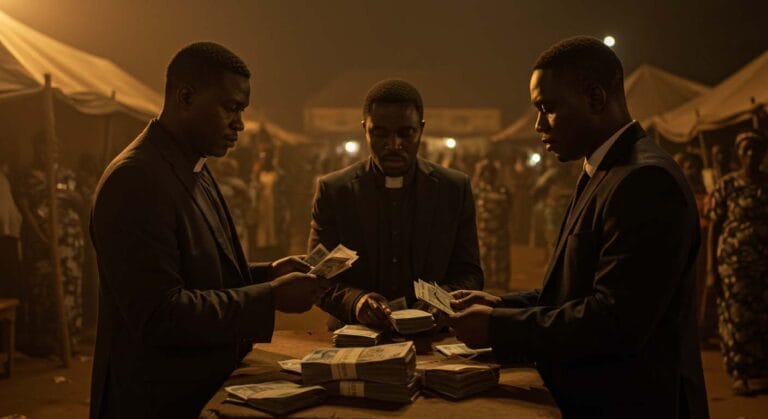
When the police finally moved on Prophet Love’s church, they found almost nothing. The money was gone. The houses and cars that people had signed away had long been sold. The papers had already been moved quietly through lawyers and agents months before the first whispers of an investigation. The big accounts were empty. Only a few faded posters clinging to the walls and some broken chairs scattered inside the tent remained.
The Prophet himself was nowhere to be found.
The police moved in quickly, taking away a handful of junior staff and a few elders. For days, their faces filled the newspapers and evening news bulletins. Yet as the questioning went on, it became clear they were just pawns. They had been used, discarded, and left with nothing but shame. Some broke down in tears during the interviews. Others simply stared ahead, too numb to speak. A few were so shaken that they needed weeks of counseling before they could even face the outside world again.
The news bulletins eventually grew tired of the story. They ended their last reports with the same warning from the authorities.
“Let this serve as a lesson to all. If it sounds too good to be true, it probably is. Trust, but always verify. No one is above the law.”
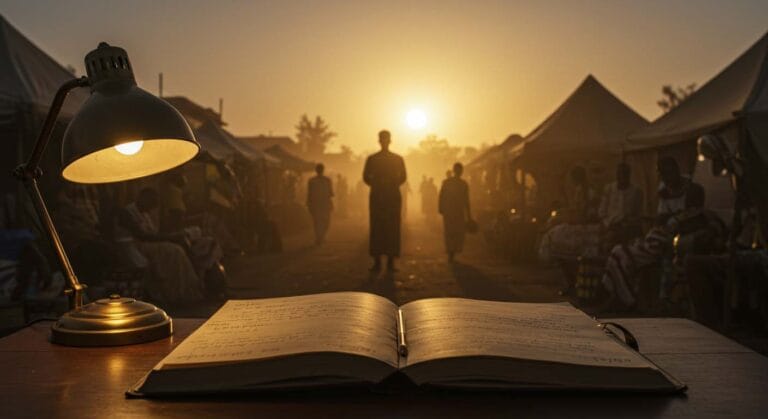
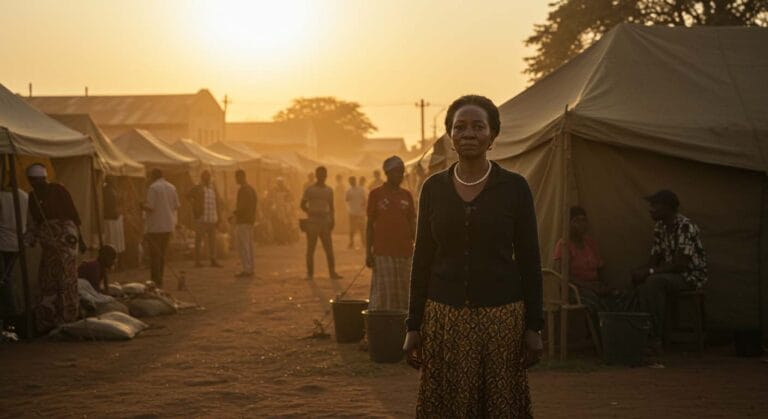
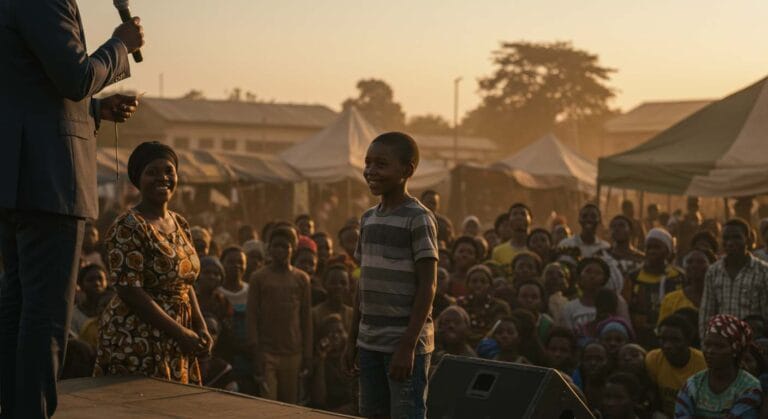
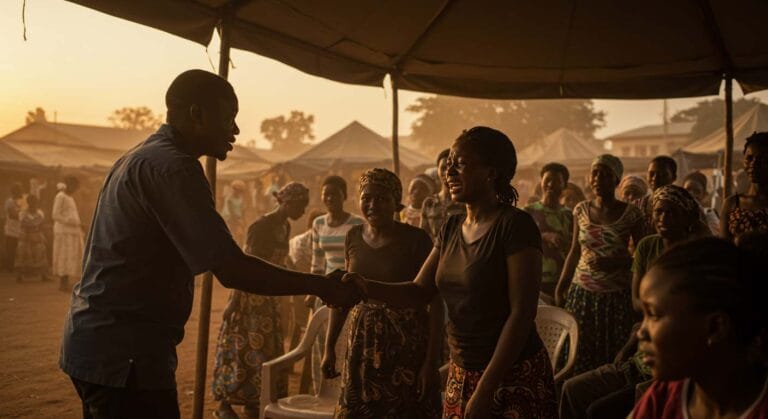
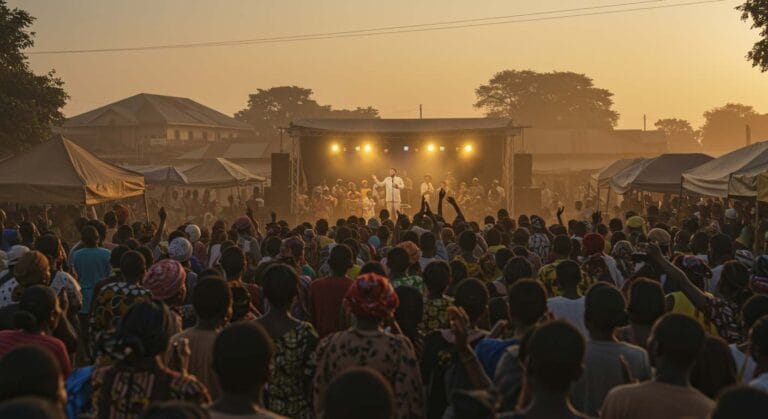
The tent where people had once danced, clapped, and cried in prayer stood empty. The wind whistled through its torn edges, carrying away the last echoes of a congregation that had once believed it could touch heaven.
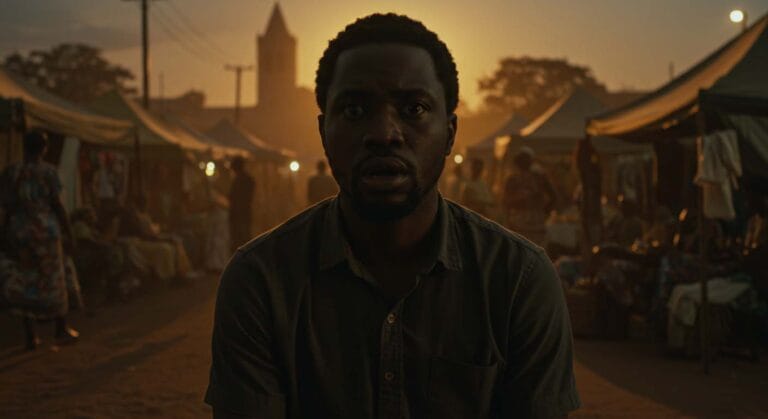
In the days that followed, Rio and Shawty drifted through life like two people walking in a fog. They had no plan, no energy, and no sense of direction. The guilt sat heavily on them both. Rio tried to apologize to the people he had misled, although most refused to even look at him. Some listened but said nothing. Their silence hurt more than any insult could.
Shawty, after much struggle, found the courage to speak about her pain. She talked about the promises she had believed, the sacrifices she had made, and how easily hope can be turned into a chain. Each time she shared her story, she felt a little lighter, as if the weight was slowly shifting off her shoulders. Her healing was not quick. Some nights she still cried without warning. Some mornings she woke feeling like nothing had changed. But she had taken the first step, and that was enough for now.
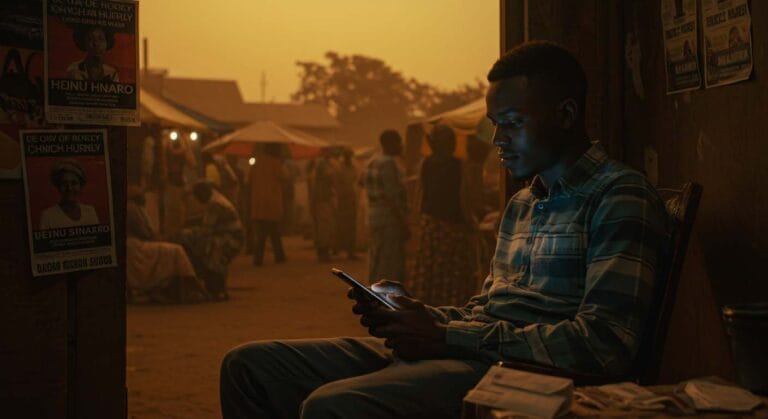
Among the church members, some tried to move on, finding new places of worship or simply deciding to pray at home. Others could not let go. They still believed the Prophet was a man of God who had been wronged by jealous enemies. They clung to his teachings, kept his pictures, and waited for his return. Denial, Rio realized, was its own kind of prison.
Yet life, as always, moved forward.
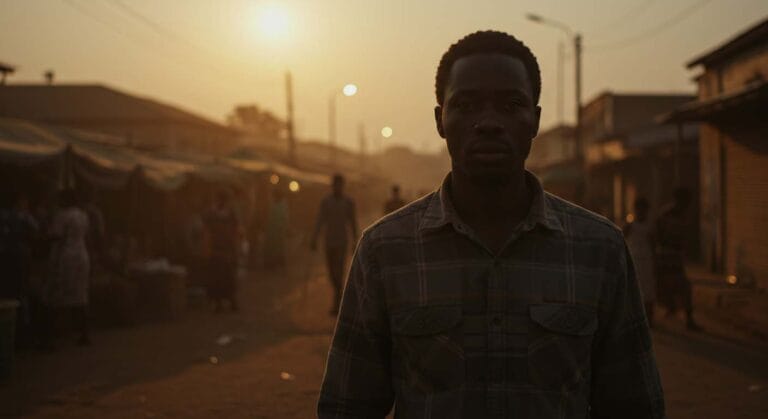
In Gweru, the marketplace grew busy again. Taxis hooted for passengers, and vendors shouted over one another to sell vegetables and second-hand clothes. Women balanced baskets on their heads while children darted between stalls. The air was thick with the smell of roasted maize and frying vetkoek. People had to eat, children had to be fed, and bills had to be paid. The world did not pause for anyone’s pain.
And soon, on the edge of the city, a new tent began to rise. Its white canvas gleamed under the afternoon sun. Word spread quickly about a new prophet who had arrived from Harare. He spoke with fire. He promised healing and breakthrough. Crowds gathered again, desperate for hope, hungry for miracles. It was as if the lessons of the past months had already been forgotten.
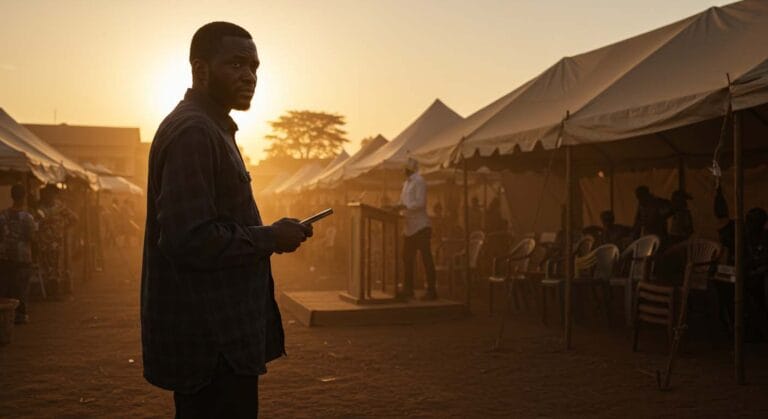
Rio sometimes passed the site on his way to the bus terminus. He would slow down, watching people streaming in with expectation written on their faces. He would feel a heaviness in his chest, a mixture of sadness and frustration. Part of him wanted to warn them, to tell them to run before it was too late. Yet another part of him knew they would not listen. He had been one of them once, certain that the man on the stage could change his life.
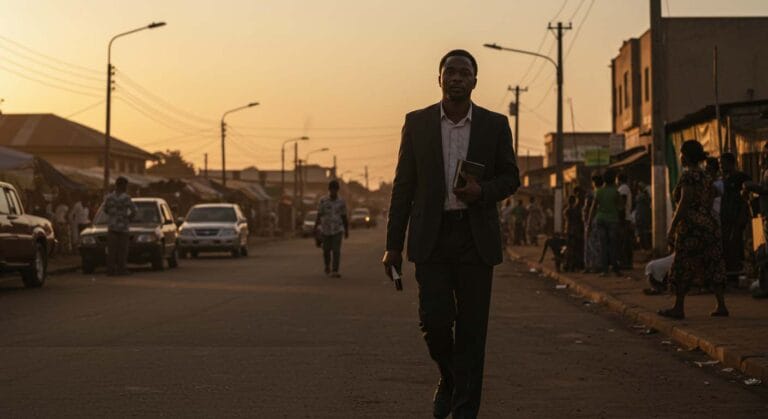
Far from Gweru, in the heart of Lusaka, Zambia, the evening air was cool and filled with the sound of traffic. The city moved with a restless energy, neon lights flashing over busy streets. Hawkers lined the pavements, calling out prices to passing shoppers. Minibus conductors shouted their routes, slapping the sides of their vehicles to attract attention.
On a crowded corner, a young couple stood facing each other. Their voices were low but sharp, their argument swallowed up by the hum of engines and the chatter of passersby. The woman’s eyes flashed with frustration. The man’s hands were clenched at his sides.
From the flow of pedestrians, a man stepped forward. He wore simple clothes and carried himself with calm confidence. His eyes were sharp yet warm, and there was a certain weight in his smile, as if he knew things other people did not.
He stopped beside the couple and spoke in a gentle voice.
“Love is a strange thing, my children. It tests even the strongest of us.”
The couple turned to look at him, their argument briefly forgotten. There was something disarming about the way he stood there, unbothered by the rush of people around him.
“My name is Prophet Love,” he continued. “Perhaps our meeting today is no accident.”
The streetlights flickered overhead, and the city’s heartbeat seemed to slow for a moment. The young couple exchanged a quick glance, then looked back at him.
Prophet Love’s smile widened.
The city hummed. Cars passed. Somewhere down the street, a bus conductor shouted for passengers.
And just like that, the story began again.