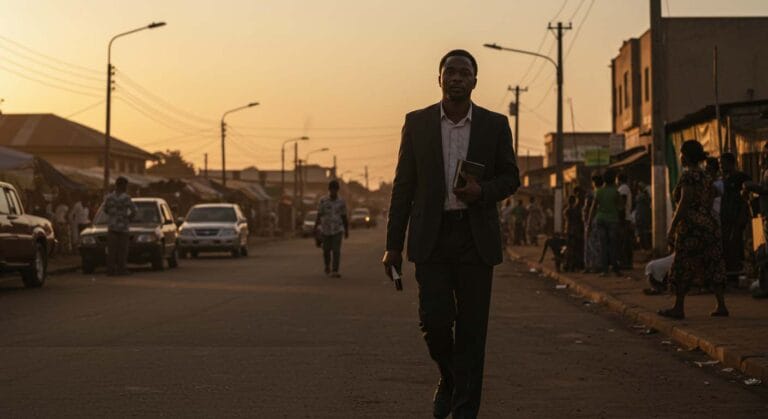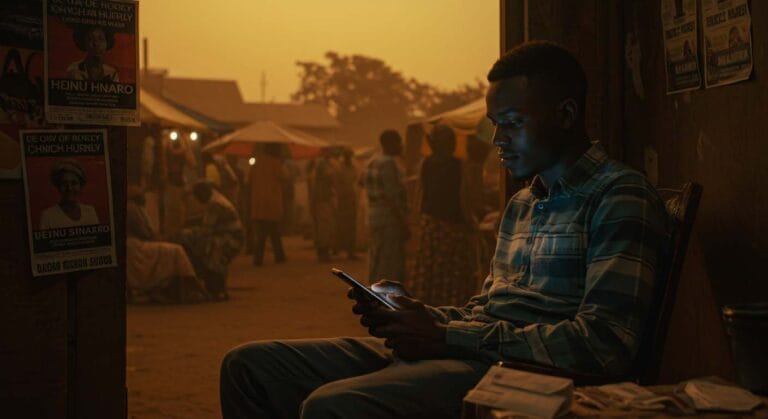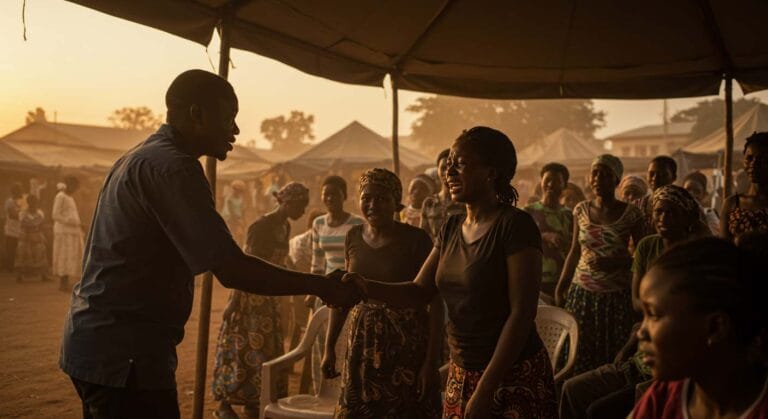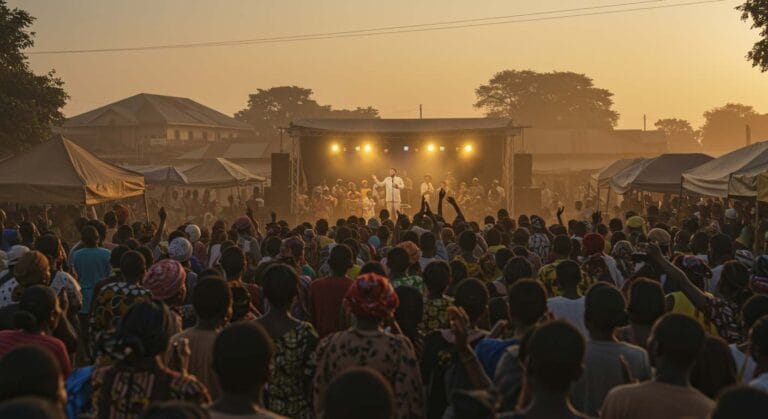


The church had never looked busier. Posters for “Love Offering Sunday” clung to every lamppost in Gweru, flapping in the afternoon wind. Bright colors announced the event like a festival, the smiling face of Prophet Love beaming down on passersby. WhatsApp groups buzzed with constant instructions. Messages came one after another: Dress smart! Bring a gift for the Man of God! Your miracle is linked to your giving. It was as if the whole city was being reminded that Sunday was not to be missed.
But under the bright colors and bold promises, cracks had begun to spread.
Rio moved through his days like a man chasing shadows. From early morning until night, he ran from meeting to meeting, checking the sound system, setting up chairs, writing social media posts, and stepping in to settle disputes among the choir members. The old energy that used to make the work exciting had faded away. The workers were restless. Volunteers who once arrived early and stayed late now missed services altogether.
One afternoon, the youth group treasurer sent him a frustrated text message: Should I pay the decorator from my pocket again? The words made Rio sigh heavily. Before he could even reply, another message arrived from an usher: I haven’t received anything since last month. Are we still valued here?
When these questions came, Rio tried to keep his voice steady. “We are just in a rough season, guys. Prophet said God will provide,” he would say, forcing a smile he did not feel.
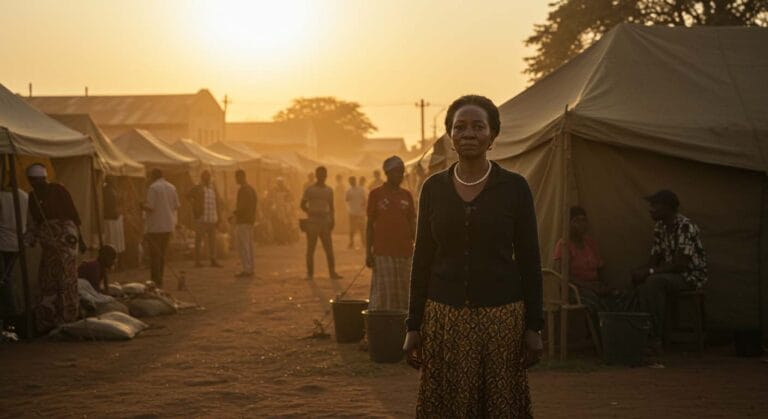
Yet at night, when he finally made it back to their small flat and found the silence waiting for him, doubt began to creep in. Shawty barely spoke these days. Her eyes had a distant, almost hollow look. Even her smile, when she tried to give one, no longer reached her eyes. He could not reach her no matter what he said.
He missed the old days. He missed the early years when the miracles had felt real, when every testimony seemed to carry the power to move mountains. Back then, faith had been exciting. Now, it felt like just another job, one that drained him daily, and sometimes he wondered if he was standing on the wrong side of something he could not yet name.
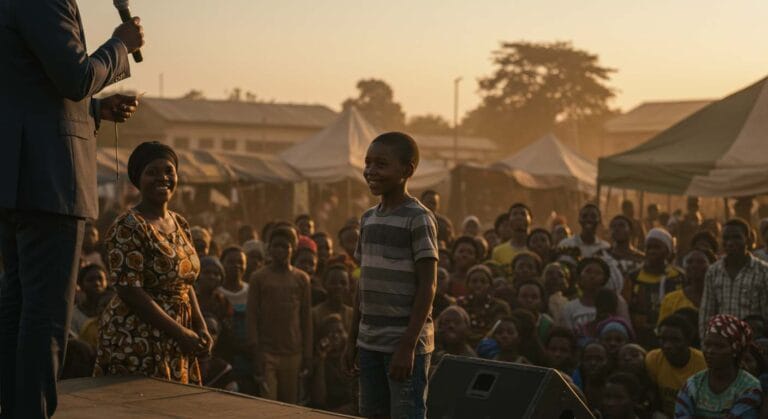
Meanwhile, Prophet Love showed no sign of slowing down. From the stage, he still preached with the same fire and certainty. His voice boomed through the tent, promising abundance, hope, and breakthrough. “This is only a test,” he would declare, his arms stretched wide. “What you sow now, you will reap double in the coming season!” The congregation still clapped and shouted, though Rio sometimes noticed fewer hands in the air and fewer eyes lighting up.
On Tuesday, the planning committee gathered in the Prophet’s office. The room was full—the accountant, the choir leader, the head usher, Rio, and several department heads. Plates of sliced cake sat on the table alongside bottles of soft drinks. As always, there was laughter at the start, light jokes, and the feeling of being in a “family” meeting.
When everyone had settled, Prophet Love leaned forward in his chair, his smile bright and confident. “We want to make this year’s Love Offering the biggest ever,” he announced. His voice carried the same warmth it always had, though it now seemed to push harder for excitement. “Let us give God’s servant what he deserves!”
The room filled with applause. Ideas began to flow quickly. One department head suggested each ministry group set a minimum target. Another proposed creating a competition between departments. The Prophet clapped his hands and laughed, encouraging more suggestions.
In the end, plans were agreed upon. Each department would raise at least two hundred dollars. There would be special pledges for the building fund. Targeted appeals would be sent to “partners” in South Africa, urging them to sow into the vision. People left the meeting smiling, talking about strategies, their voices carrying down the hallway.
But as the room emptied, Rio lingered outside the door. Through the narrow gap, he saw the accountant lean in toward the Prophet. Her voice dropped low, almost swallowed by the hum of voices outside.
Later that night, Rio returned to the office to collect some papers he had forgotten. He stopped when he saw the two of them again—the Prophet and the accountant—huddled over the desk. Papers were spread everywhere, and the accountant’s expression was tight.
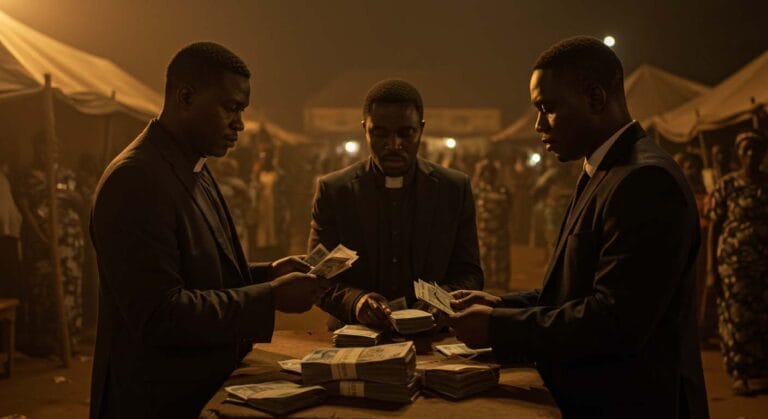
“Pastor,” she said, her tone urgent, “I have checked everything. The church bank account is empty. Everything that was transferred in last week is gone.”
Prophet Love’s smile did not fade immediately, but his hands, resting on the edge of the desk, began to tremble slightly. He took a slow breath and said softly, “Check again. That is not possible.”
“I have checked three times,” the accountant replied. “There is nothing left. The balance is zero.”
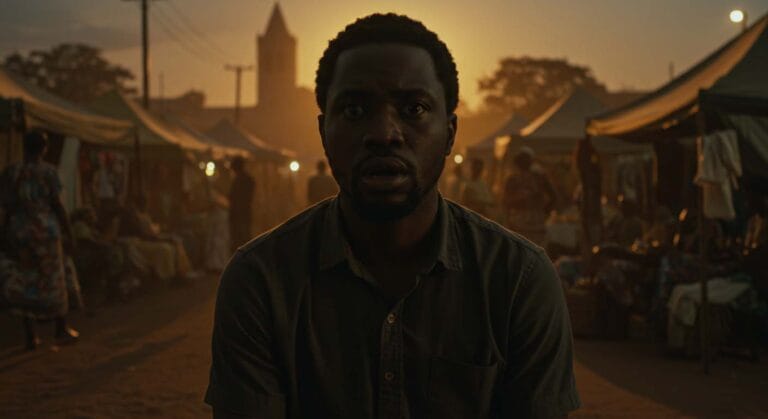
Rio stood frozen in the doorway, his pulse quickening. The room suddenly felt smaller, the air heavier. For the first time, he saw something in the Prophet’s eyes that he had never seen before—fear.
Neither of them noticed him. The Prophet leaned back in his chair, tapping the table with his fingertips, his eyes darting from the papers to the accountant’s face.
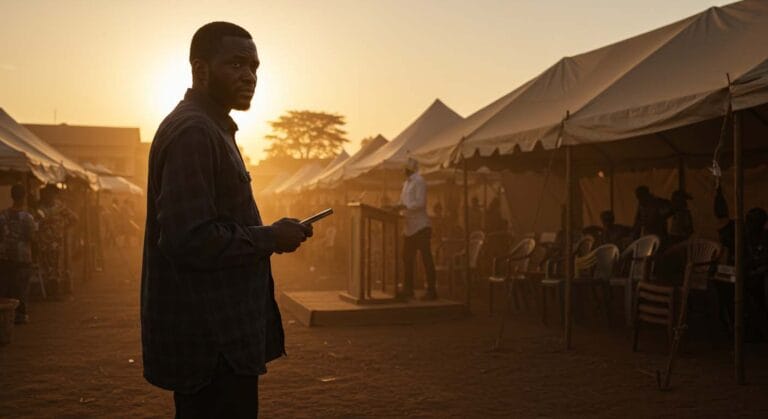
Outside, the choir was rehearsing for Sunday’s service. A new song rose from the tent, voices weaving together, full of hope and conviction. The melody carried into the night air, but to Rio it sounded faint, almost fragile.
The city’s noise—car horns in the distance, a dog barking somewhere, vendors packing up their stalls—blended into the background. Rio stepped back from the doorway, his mind a storm of questions. He thought of the posters on the lampposts, the messages urging people to give, and the Prophet’s booming promises. He thought of Shawty’s empty eyes and the volunteers asking if they were still valued.
And for the first time, he wondered if the songs, the posters, and the speeches were all just layers hiding something far more dangerous underneath.