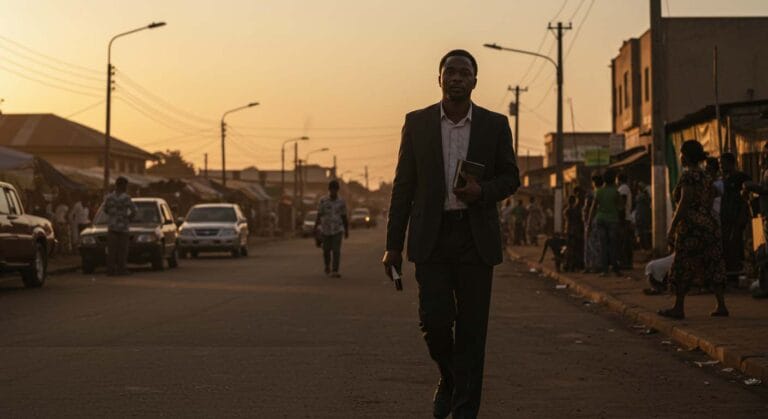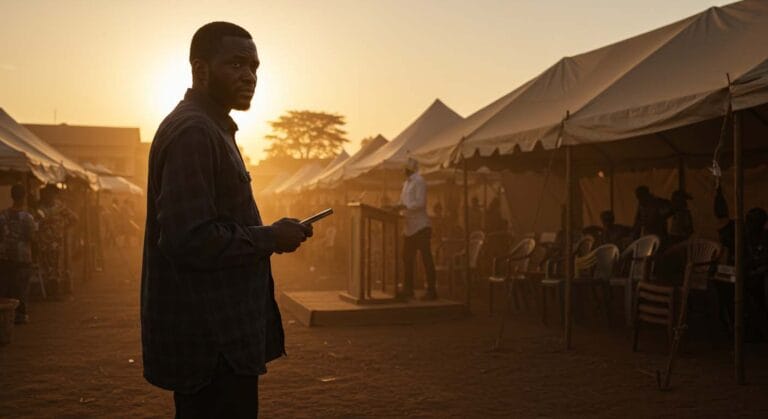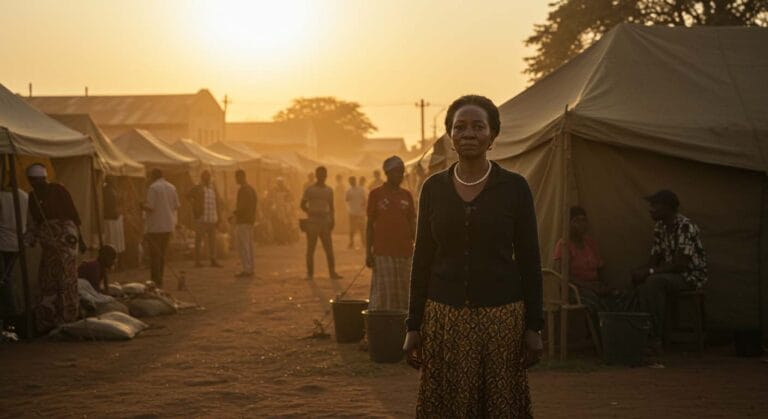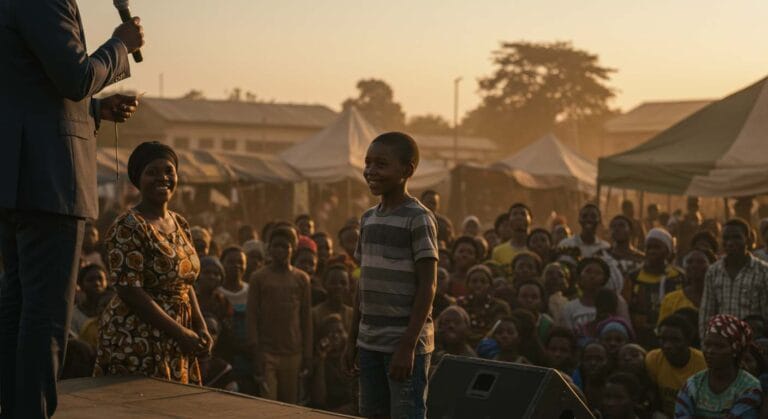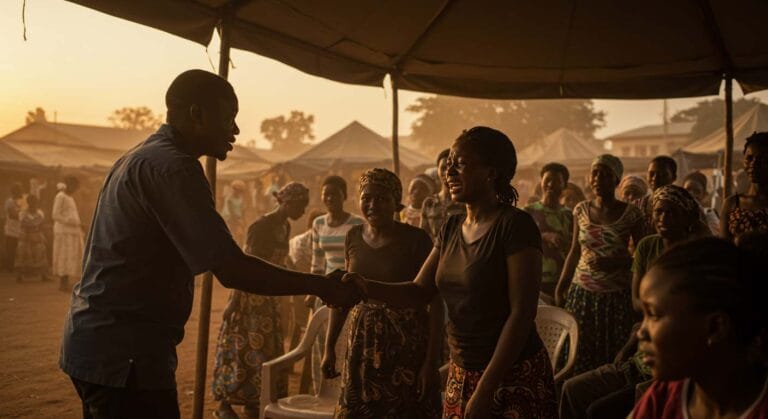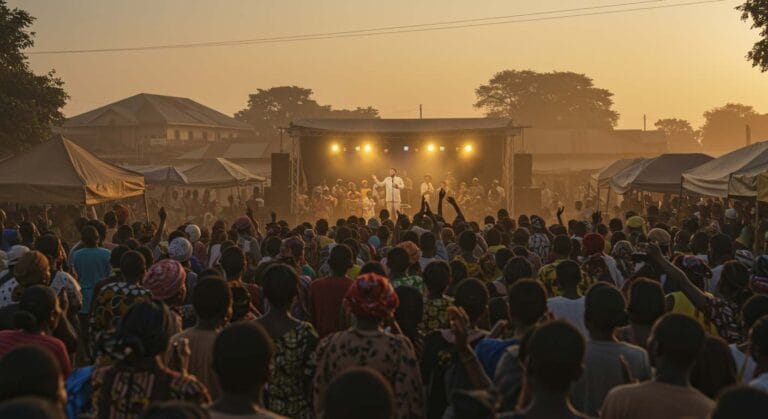

Sundays at Prophet Love’s church had changed. The tent was no longer just a place of worship. It had become the first step in something bigger. There was constant talk of a new miracle cathedral, a structure that would rise and shine over the city. Every service now felt like a festival. There was music that seemed to pull you in from the streets, choirs that sang until their voices grew hoarse, and crowds that came not only for the Word but for what the Prophet called moments of destiny.
Rio stood at the entrance that morning, shaking hands and greeting people as they arrived. His smile was warm and welcoming, yet his eyes scanned the crowd, making sure everything was in order. He helped the ushers collect offerings. The giving was never forced, but the way it was spoken about made it hard to say no. Some days it was called sowing a seed for your breakthrough. Other days it was partnering with God for your miracle.
If you gave, your name was called out during the service. The Prophet would read your prayer request aloud, sometimes even prophesy over you in front of the whole congregation. People loved it. The more your name was mentioned, the more it felt like heaven itself had noticed you.
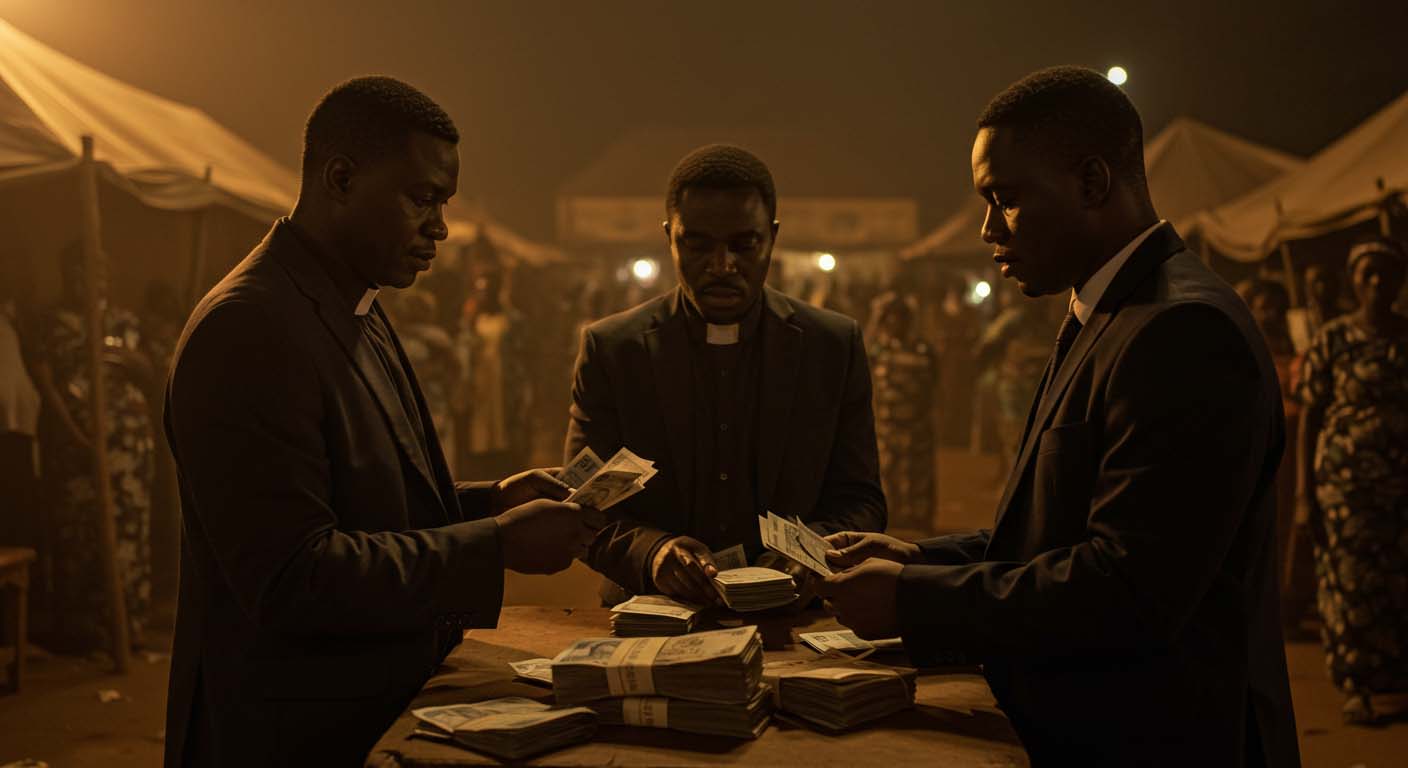
The money came in steady waves. Bond notes folded neatly, crisp US dollars tucked into brown envelopes, EcoCash transactions flashing on phone screens. There were special offerings for healing nights, youth outreach, building projects, and even Amai’s birthday. On paper, everything was recorded and accounted for. Yet Rio had noticed something that he could not easily explain. Not all the funds made it to the bank. Some of the cash was carried away by the Prophet’s men, sometimes in the Prophet’s own car, before anyone else in the committee saw it.
He never asked about it. After all, miracles still happened every week and the Prophet was always generous. He had paid for groceries for the sick, bought uniforms for orphans, and even provided new speakers for the choir when the old ones broke. It was easy to believe that whatever he did with the money was still part of God’s work.
One warm afternoon, Prophet Love called Rio into his office.
“My son, the work of God is not for the faint-hearted,” the Prophet said with a reassuring smile. He was seated at his desk, counting a thick stack of cash. “We must move in silence, you understand? There are people out there who do not want to see God’s work succeed.”
Rio nodded, feeling both honoured and unsettled by the trust. The Prophet had never hidden his belief in him. Yet some of the tasks were becoming harder to justify. He was sent to pay for land in cash, to deposit money into different bank accounts, to organise fundraising dinners with special guests who were never seen again. There were times he was instructed to deliver envelopes to people he had never met, always with firm instructions never to ask questions.
Meanwhile, the Prophet’s life became more polished. There were new tailored suits in brighter colours, a bigger car with tinted windows, and bodyguards who walked a step ahead of him at every public event. Plans for crusades in Harare, Bulawayo, and even South Africa were announced from the pulpit. Whenever anyone raised a question about spending, the Prophet would preach passionately about kingdom prosperity and honour to God’s servant.
For most members, the miracles and the hope were enough to quiet any doubts. As long as the testimonies kept coming, no one wanted to disturb what they believed was a move of God.
Then one Sunday afternoon, they came.
Two men in plain clothes walked into the church compound just as the service ended. They wore dark jackets despite the heat, their steps unhurried as they moved through the crowd. Their eyes were sharp, scanning faces without lingering too long. They waited until the last of the congregation had drifted toward the gate before approaching Rio, who was still standing near the entrance.
“Excuse us, young man,” the taller one said, his voice calm but edged with authority. “We are looking for Pastor Love. Is he around?”
Rio hesitated. His eyes dropped briefly to the badges they carried, which flashed in the sunlight before disappearing back into their pockets.
“He is in a meeting,” Rio replied carefully. “Can I help you with something?”
The men exchanged a brief look.
“We just need to ask a few questions,” the shorter one said. “You are one of his close people, aren’t you?”
Rio’s stomach tightened. He forced a small smile. “Yes, I help with church programs.”
“That is good,” the taller man replied. “We will be back. Please let him know we passed by.”
The second man gave a smile that felt polite but carried no warmth. Then they turned and walked away, blending into the slow-moving crowd outside. Their steps were steady, deliberate, as if they were in no rush but wanted to be remembered.
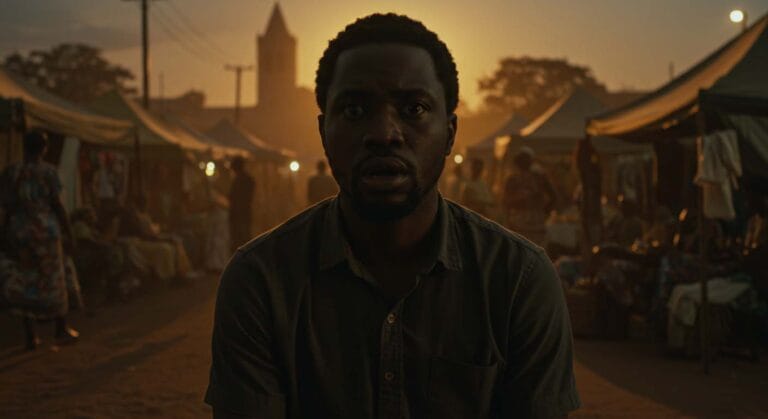
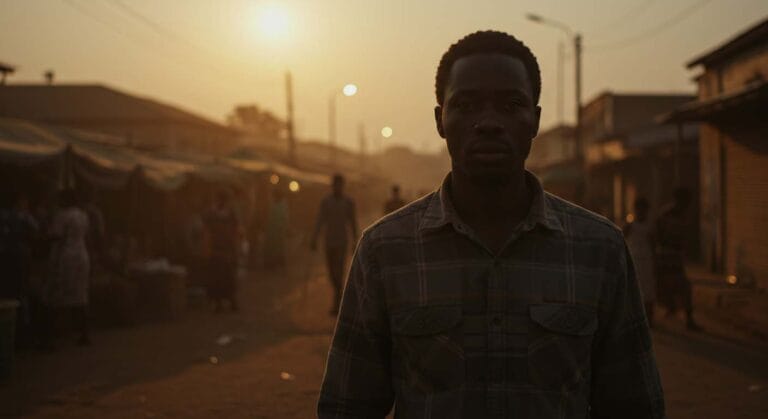
Rio stayed at the gate for a while, watching the last members leave. The wind carried the sound of distant traffic. He tried to shake the feeling that something had just shifted. He thought about the envelopes he had delivered, the money he had carried, the Prophet’s words about moving in silence. For the first time, those words felt heavier, almost like a warning.
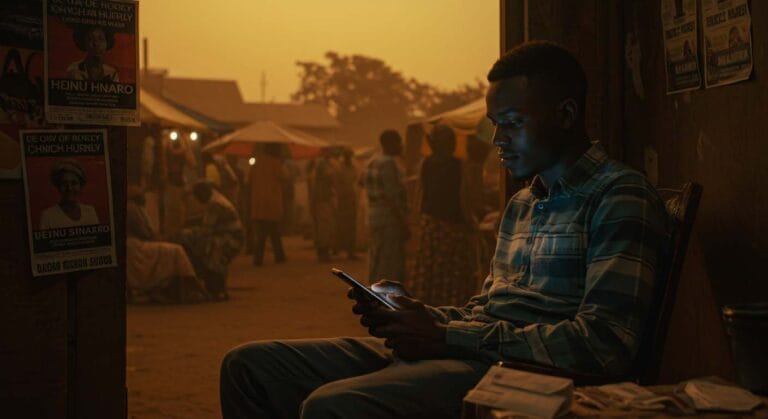
That evening, he sat on the edge of his bed staring at his phone. He opened WhatsApp and scrolled to Shawty’s name. After a long pause, he began to type.
Reo:
Babe, have you ever wondered where all the money goes?
Some guys came today, looking for the Prophet. They said they will be back.
Shawty:
Maybe it is nothing. People always talk. Just pray.
Reo:
Yeah, maybe.
He put the phone down, but sleep refused to come. The ceiling above him felt lower than usual, the air heavier. The words of the two men replayed in his mind. We will be back.
For the first time since joining the church, Reo found himself wondering if all was really as it seemed.