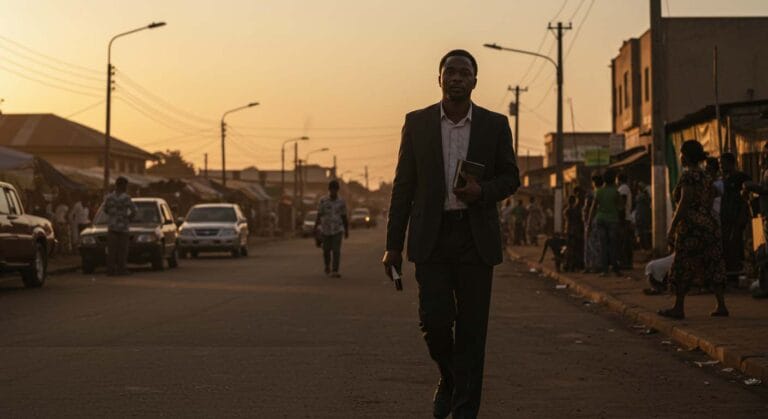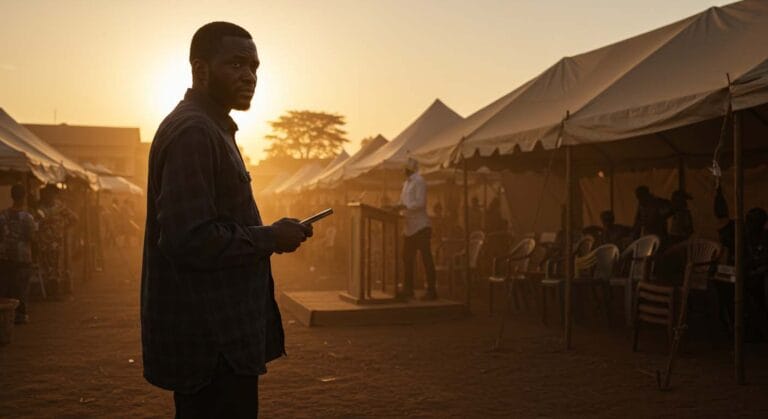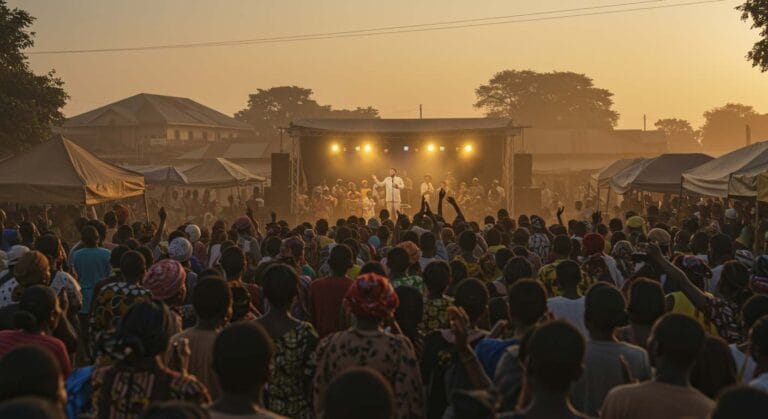

Prophet Love’s name was now on every tongue in Gweru. From street corners to kombi queues, from market stalls to university campuses, people spoke about him with a mix of awe and urgency. The tent they had been using could no longer contain the crowds. It became too hot, too cramped, too small for what the movement was becoming. So they moved to an open field on the edge of the city, a place where no one would be turned away.
Banners fluttered from tree branches. Minibus windows bore stickers with bold words: COME AND SEE – THE LOVE PROPHET – MIRACLE NIGHT! The name travelled beyond Gweru, carried on the voices of believers and the curiosity of doubters. It reached Mkoba, Senga, Ascot, all the way to Kwekwe. By the time the night arrived, people had come from far and wide, some walking, some crammed into kombis, others on scotch carts.
That night, the field became a sea of faces. The smell of trampled grass mixed with the dust rising under restless feet. People stood for hours, hands raised toward the stage, hoping to be noticed, to be called forward. Ushers in bright sashes moved through the crowd, guiding latecomers to the edges. Drums pounded and speakers throbbed with music that spilled into the night air, so loud that even the city’s traffic seemed to slow down, drawn in by the sound.
When Prophet Love appeared, the energy shifted. His smile was so bright it seemed to make the moon shy. His grey suit shimmered under the glare of the floodlights, and each step he took toward the microphone drew louder cheers. He lifted his hand, and the noise melted into silence.
“My brothers and sisters,” he began, his voice carrying far beyond the stage, “tonight is not just another night. Tonight is your night. The Lord will do what no man can do. If you believe, lift your hands!”
The field erupted. Shouts of “Amen!” and “Glory!” rose into the darkness. People jumped, wept, and fell to their knees in the grass.
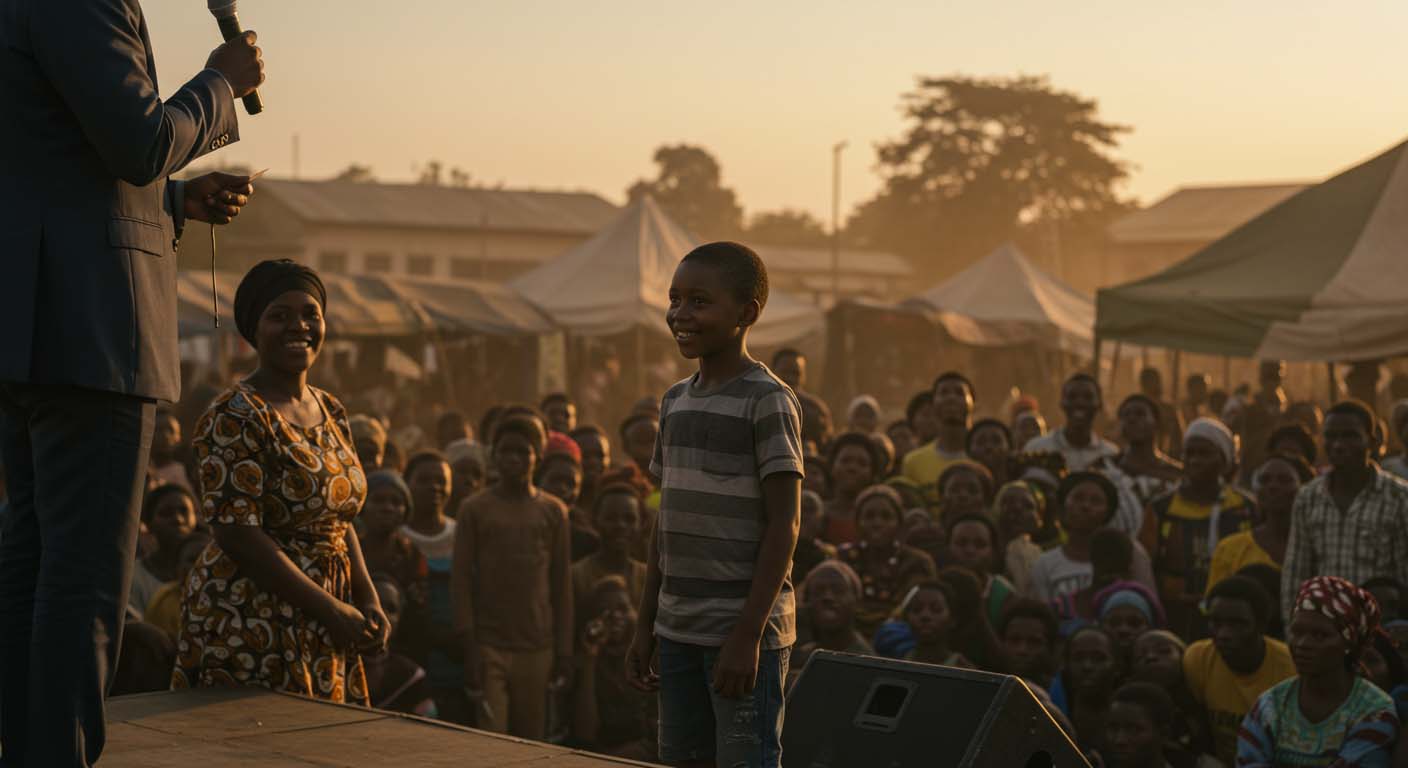
Then Prophet Love’s eyes moved over the crowd and fixed on a mother in the front row. She was carrying a boy whose legs were twisted, his small body limp against her shoulder. He could not walk, could not speak. The crowd held its breath as the Prophet pointed to them.
“Bring the child to me,” he said.
The mother pushed forward, her face wet with tears. The ushers cleared a path until she stood at the edge of the stage. The Prophet knelt down beside the boy, his voice dropping into prayer. His words came in waves—loud, then soft, then loud again—rising with the beating of the drums. Sweat glistened on his forehead under the hot lights.
He placed one hand on the boy’s chest and lifted his face to the sky. “Be healed!” he cried, his voice so powerful it seemed to shake the air.
For a moment, nothing happened. The crowd leaned in, straining to see. Then, slowly, the boy’s legs began to straighten. First one, then the other. He pushed himself up, unsteady, as though learning how to stand for the first time. The crowd gasped.
The mother screamed, her voice breaking into sobs. She fell to her knees, clutching the boy’s feet as though she would never let go. The Prophet lifted the child high above his head and declared, “God has done it!”
The field exploded into chaos. People surged toward the stage, some fainting, others breaking into wild dances. Old men wept openly. Young women collapsed to the ground, faces pressed into the dust, crying “Glory! Glory!” The drums grew louder, faster.
In that moment, Prophet Love’s name became more than a name—it became a movement.
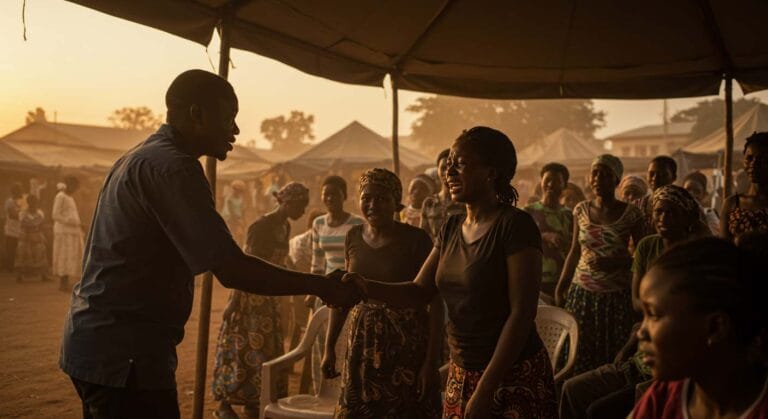
Rio and Shawty, standing close to the stage, felt as though they were standing at the centre of history. After the service, Prophet Love called them forward. He embraced them both, calling them his “beloved children.” He looked into Rio’s eyes and said, “You have a gift. Help me reach the world.”
From that night, Rio’s life changed. He became the lead for media and events, managing crusades, sending out WhatsApp broadcasts, arranging interviews, and travelling with the team wherever the Prophet went. Shawty joined the worship group, her voice blending with others in praise, and began mentoring young women in the church.
When they announced their engagement, Prophet Love insisted on blessing their marriage. The wedding was held under a huge white tent, with the Prophet himself leading the ceremony. His words rang with promises of destiny and purpose as the congregation cheered. People in Gweru spoke of it for weeks—the wedding of the Prophet’s own spiritual children.
But perfection is often a thin layer, easy to crack.
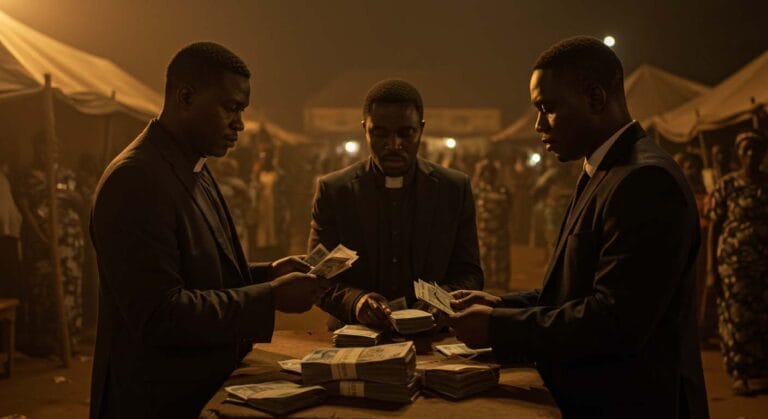
After the wedding, the Prophet’s demands began to grow. He called Rio into private meetings, asking him to deliver sealed envelopes to certain members, to collect “special love offerings,” to handle money in ways Rio did not fully understand. Some instructions felt right, others made him pause, but each time he told himself it was for the work of God.
Shawty began to notice changes too. Sometimes the Prophet would ask her to come to his office for prayer. The first few times, she felt honoured, believing it was part of her spiritual growth. But the sessions became longer, the prayers more personal, the way his hand rested on her shoulder lingering longer than necessary. His words sometimes took on a tone that made her uncomfortable, though she pushed the thought away. This was the man of God, she reminded herself. She tried to be a good wife, a faithful worker in the church, a servant of the ministry.
Yet whispers began to circulate. A few members noticed that Amai, the Prophet’s wife, looked more tired these days. Her smiles seemed forced, her laughter less frequent. Some people murmured, “The Prophet is powerful, but too strict.” Others dismissed the concerns. “When miracles are happening, who are we to question?”
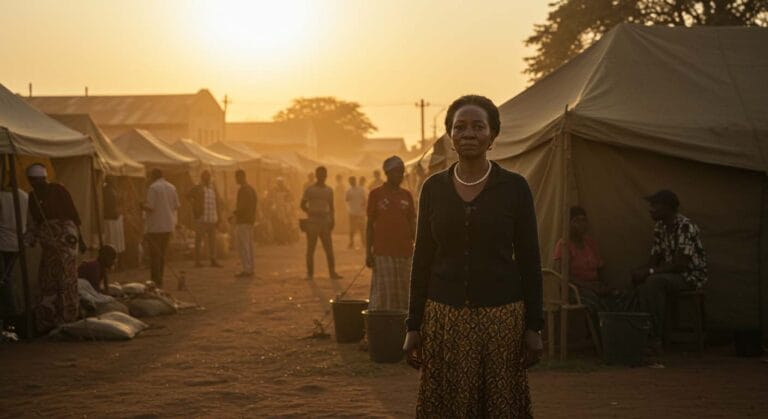
One Sunday after service, Shawty lingered behind to tidy up the worship area. She found Amai sitting alone in a plastic chair at the back of the tent, her hands trembling slightly as she held her Bible. Shawty hesitated, then approached.
“Mhai, are you alright?” she asked softly.
Amai looked up, her eyes clouded with something Shawty could not name. For a moment, she seemed ready to speak, but instead she smiled faintly. “Trust God, my child. All things will be revealed.”
It was a strange answer, and it left Shawty with more questions than comfort.
Outside, the world still believed in the Love Prophet without question. His name drew bigger crowds, his miracles filled testimonies on every lip. But inside the ministry, shadows had begun to grow—shadows that no stage light could chase away.