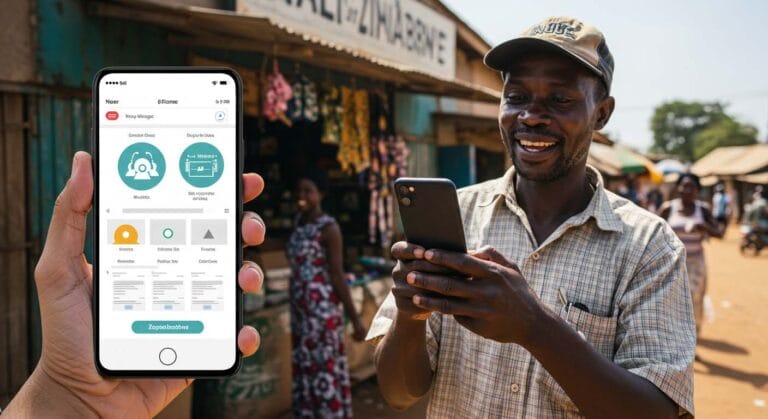
In Zimbabwe, people are sailing and selling in ways that go way beyond having a basic website. This is not about theories—it’s what I have seen, what I do, and what hustlers all over Zimbabwe are making work right now. If you want to know where Zimbabweans are really getting discovered, making sales, and building brands, you need to look both at the big global platforms and the unique local channels that fit how we live and do business here.
WhatsApp is still the number one engine. Every day, Zimbabweans use WhatsApp status, broadcast lists, and groups to push everything from tomatoes and chickens to formalwear and branded water. Catalogue groups on WhatsApp are like mini-markets that never close. The secret is not just posting once, but showing up, replying fast, and sharing your website link in your bio or after every sale. Some entrepreneurs have multiple catalogue groups for different products, each one with hundreds of members. Deals happen while you sleep. There are even professional WhatsApp catalogue agents who manage orders and customer service for you.
On Facebook Marketplace, Zimbabweans are moving everything—phones, laptops, furniture, cars, and groceries. This is the digital Mbare, the new Siyaso. All you need is a Facebook profile, a few clear pictures, and your price. If you connect your Marketplace listings to a business page with your website and WhatsApp number, you can get twice as many customers, because people want to check you out before they buy. In city buy-and-sell groups, trust is built quickly, and a real website link makes you look like a pro.
Ownai and Classifieds.co.zw are two platforms that have stood the test of time. Ownai is where you list almost anything—cars, property, jobs, electronics. Many hustlers use Ownai as their “shop window,” and serious buyers check here daily. Classifieds.co.zw is the veteran, the “yellow pages” of the internet in Zimbabwe. People selling or hiring services get extra attention by putting their website links in their listings. Some businesses say half their online sales start with a Classifieds post and end up on their website.
SAKA, the Social Accounts Keeping Agency, is something I created under the Kilomarket Partnered Brands umbrella. This is how we help Zimbabweans who are too busy or not sure how to manage all their socials, catalogues, and customer conversations. For only $55 a month, we run your Facebook page and your Instagram and connect all your leads straight to your website or WhatsApp Business inbox. SAKA is about letting hustlers focus on their products while we handle the digital hustle of promoting, posting, replying and even collecting feedback. If you are ready to scale but tired of juggling phones, that’s what SAKA does for you. Kilomarket Partnered Brands stands for real solutions for real Zimbabweans, not just advice.
In Zimbabwe, delivery and logistics apps are another place people are quietly sailing. Apps like Mutumwa and Vaya make it easy for you to sell in Harare while your customer is in Chitungwiza or Kwekwe. All you do is connect your website order form to a delivery partner, and you are nationwide in days. Even Munch Zimbabwe is changing the game for food businesses—if you run a kitchen or restaurant, Munch lists you online, handles payments, and gets you customers who might never have found you just from a Facebook post.
Local buy-and-sell Facebook groups for every town and suburb are goldmines. Gweru Buy and Sell, Zvishavane Marketplace, Bulawayo Deals—every Zimbabwean city has these. They are where you find the hottest demand and real feedback from buyers. Most groups now expect you to have clear pictures, honest prices, and if you can add a website or WhatsApp link, you get even more trust.
Even ZimPlaza and small Zimbabwean business directories are seeing a comeback. It costs nothing to list your business and add your website. Sometimes the buyer looking for you is searching “suppliers in Gwanda” or “car hire Masvingo” on Google, and these directories come up first. Logocert archive now has a listing too.
Beyond these, Zimbabweans are starting to sail on platforms like LinkedIn for professional services and B2B sales. TikTok for creative promotion and viral reach and YouTube for everything from church sermons to tutorials and product demos. Each platform needs a different style, but the link to your website is the golden thread. Without it, people get lost and forget you.
Most successful Zimbabweans take action. They sell on Facebook Marketplace and show up in buy-and-sell group. Some use WhatsApp catalogue agents, list their businesses on Ownai, and plug into SAKA or Kilomarket Partnered Brands to grow. They don’t just wait for people to visit their website—they go where the customers are. They use local delivery apps to reach more customers and always put their website in a bio or status update.
The lesson is simple: If you want people to find you, sell your products, or build a real brand, show up where Zimbabweans already spend their time. Use every channel you can—global, local, and everything in between. Make your website the center, but build bridges everywhere people gather, buy, and talk. That’s how you move from hoping people will find you to actually being everywhere they already look.


Where Zimbabweans sell product and services Online in 2025
Selling online in Zimbabwe is more than having a website. It is about showing up on the platforms where people are already buying, sharing, and talking every day. Here is how Zimbabweans are really making moves and where you should be if you want to be found.