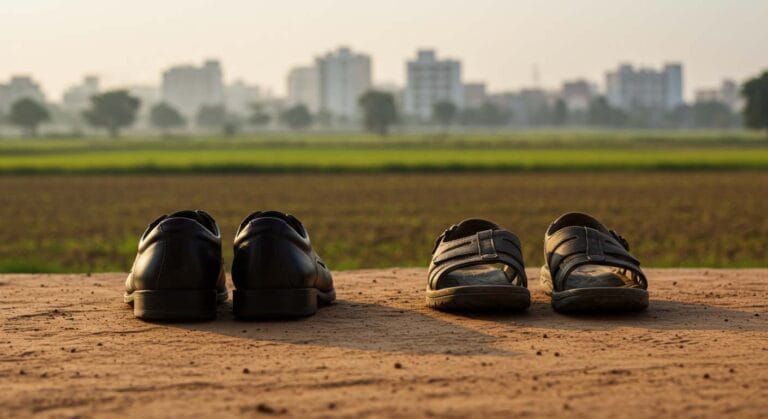
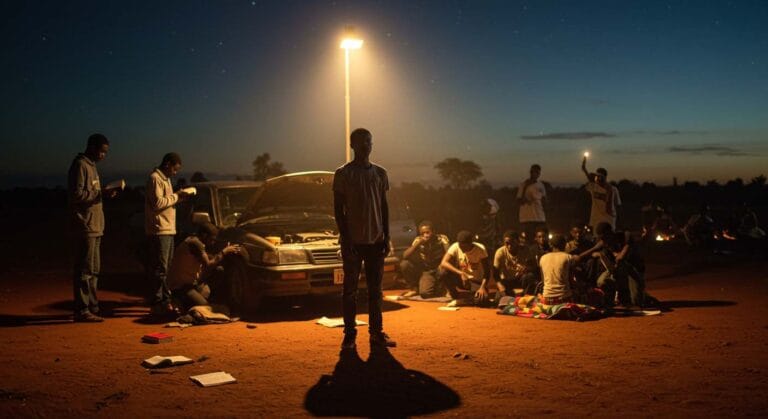
In my childhood home in Somabhula, leadership was not announced; it was lived. The lessons were never presented as points or rules, but rather as footsteps you learned to follow in the early morning mist. It was only as I grew older that I realised how much of my character, my sense of purpose, and my way of leading were shaped quietly in those days.
The first thing I learned about leadership came with the sunrise. Most mornings, while the rest of the house slept, I’d wake and find my father already gone. The fields would be silent except for the sound of his hoe breaking new ground. He never made noise about his work—he didn’t wait for applause. If you rose early enough, you might catch him with his back bent in the soil, lost in his own rhythm. As a child, I just wanted to sleep more, but something about those mornings settled into my bones. I saw that true leadership starts with showing up, quietly, and doing what needs to be done, with or without an audience.
Inside the house, the atmosphere changed when elders gathered. In Somabhula, as in much of Gweru, there was an unwritten law: children were to be seen and not heard. If you entered a room where elders were talking, you found a spot and sat in silence. No one would chase you for listening. But let your curiosity get the better of your discipline—if you spoke out of turn, walked around, or drew attention—you would be quickly reminded to respect the space. Sometimes it was just a sharp glance, sometimes a quiet word, sometimes a harsher rebuke. It wasn’t cruelty; it was the discipline of listening. You learned that wisdom comes first through silence, through soaking up stories and arguments, laughter and advice, before you ever get your chance to speak. Those hours of listening taught patience and humility, and planted the seeds of understanding that would only bloom much later.
My father’s life was full of action, but also full of meaning. He believed in the “go principle.” “When the race starts and the referee shouts, ‘On your marks, get set, go,’ don’t think—run!” he’d say. “You may be at the back, but every step you take is closing the gap to the finish line.” Looking back, I see how he applied that not just to races, but to life itself. There was no room for hesitation or endless planning. Progress meant movement. The only way to finish was to begin, and to keep going, especially when the journey was long or lonely.
He never tolerated half-hearted effort. “If you’re going to do something, do it well,” he’d insist. “If you can’t give it your all, don’t do it at all.” It didn’t matter if the task was big or small, whether anyone else noticed—excellence was a habit, not an event. That standard was everywhere, from the way he worked in the fields to the way he expected us to carry ourselves at school, in church, or with neighbours. It was never about showing off; it was about honouring yourself and others through the quality of your work.
There was humility, too—a deep, practical humility that shaped every decision. My father would say, “It’s better to sit on the small chair and be invited to the sofa, than to run for the sofa and be told to move.” I learned, sometimes the hard way, that pride could bring embarrassment, but humility could open doors. The best leaders in Somabhula were never the loudest—they were the ones who waited, listened, and let their actions speak for them.
Every lesson overlapped with the next. Waking early to work taught commitment, but it also taught humility—you are never too important for hard work. Being silent in the presence of elders taught listening, but also patience and respect—qualities needed in every leader. The “go principle” demanded courage, but also discipline; it required you to begin before you felt ready, and to keep moving even when it seemed easier to stop.
Leadership, as my father and elders in Somabhula taught me, was never about position or praise. It was about serving others, quietly and faithfully, being willing to learn, to listen, to work, and to wait your turn. It was about knowing that in every room, every field, and every conversation, your actions spoke louder than your words.
Now, when I find myself leading others—at work, in church, or in the community—I remember those lessons rising like the sun over the fields of Somabhula. I try to show up first, listen hardest, move forward bravely, work with excellence, and keep my heart humble. Because true African leadership isn’t just taught. It’s lived—and its wisdom never really leaves you.


African Leadership Wisdom: What My Father and Elders Taught Me
In Somabhula, leadership was never about titles or applause. It was shaped in the quiet rhythm of early mornings, silent listening in the company of elders, and the steady work of serving with humility and purpose. The lessons learned in those misty fields still shape my life and my way of leading today.